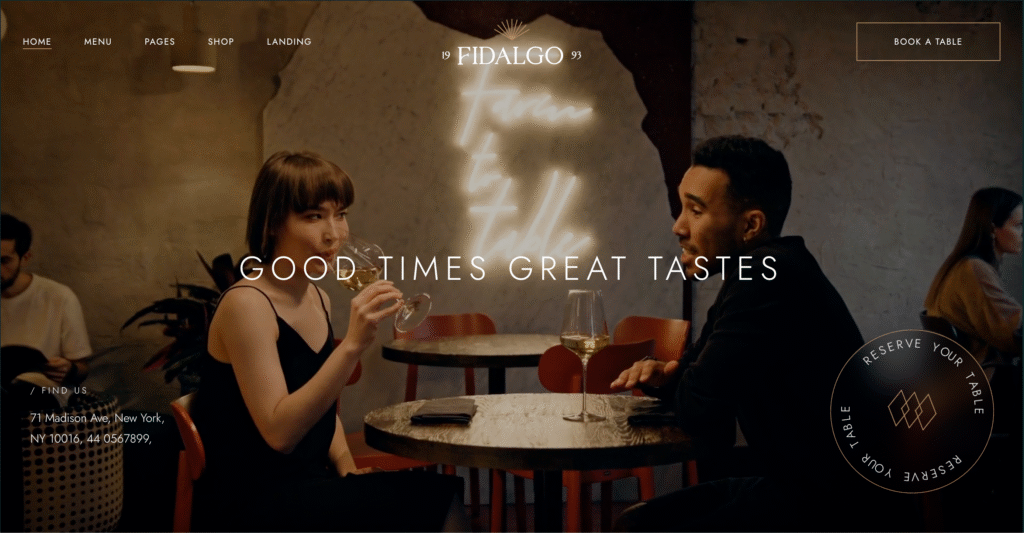
Having a website is essential but in 2026 why business should focus on branding while developing site?
7 Powerful Truths & Costly Mistakes: Website Branding Importance in 2026
In 2026, having a website is no longer a competitive advantage—it is the bare minimum. Every business, from local startups to global enterprises, already has an online presence. What truly separates successful brands from forgettable ones is not just the functionality of their website, but the strength of their branding within that website.
The concept of website branding importance in 2026 has evolved significantly. Businesses are no longer judged solely on what they offer, but on how they present themselves online. A website is now a digital storefront, a first impression, a brand story, and a conversion machine—all at once. Without strong branding, even the most technically advanced website risks becoming invisible in a crowded digital landscape.
This article explores why businesses must prioritize branding while developing their website in 2026, the risks of ignoring it, and how a strong brand identity can drive growth, trust, and long-term success.

The Evolution of Websites: From Functionality to Experience
In the early days of the internet, websites were built primarily for information. Businesses focused on listing services, contact details, and basic company information. Over time, design and usability became important, leading to responsive layouts and user-friendly navigation.
However, in 2026, the focus has shifted toward experience and identity. A website is no longer just a tool—it is an extension of a brand’s personality. Visitors expect more than information; they expect connection, emotion, and clarity.
Modern users make decisions within seconds. When someone lands on a website, they subconsciously evaluate whether the brand feels trustworthy, professional, and aligned with their needs. This is where branding plays a crucial role.
Understanding Website Branding in 2026
Website branding goes beyond logos and colors. It includes tone of voice, visual identity, messaging, user experience, and emotional connection. It is the consistent representation of what a brand stands for across every element of the website.
In 2026, branding is deeply integrated into every stage of website development. From the choice of typography to the way content is structured, every detail contributes to how users perceive a brand.
The website branding importance in 2026 lies in its ability to create a memorable experience. A well-branded website tells a story, builds trust, and guides users toward action without feeling forced or sales-driven.
Why Businesses Must Focus on Branding While Developing a Website
First Impressions Are Instant and Decisive
Users form an opinion about a website within seconds. A visually inconsistent or generic website can immediately create doubt, even if the business offers high-quality products or services.
Strong branding ensures that the first impression is positive and impactful. It communicates professionalism, credibility, and clarity right from the start.
Branding Builds Trust in a Skeptical Digital World
In 2026, consumers are more informed and cautious than ever. With countless options available, trust has become a key factor in decision-making.
A well-branded website creates a sense of reliability. Consistent visuals, clear messaging, and a cohesive identity reassure users that they are dealing with a legitimate and professional business.
Differentiation in a Saturated Market
The digital space is crowded. Businesses offering similar products or services often struggle to stand out. Branding is what gives a business its unique identity.
A strong brand helps communicate what makes a business different. It highlights values, personality, and purpose, making it easier for users to connect and remember.
Emotional Connection Drives Conversions
People do not just buy products—they buy experiences and emotions. Branding plays a crucial role in creating that emotional connection.
A website that reflects a brand’s personality can evoke feelings of trust, excitement, or inspiration. This emotional engagement often leads to higher conversions and customer loyalty.
The Role of Branding in Website Development
Design That Reflects Identity
Website design is one of the most visible aspects of branding. Colors, fonts, layouts, and imagery should align with the brand’s identity.
In 2026, minimalistic yet expressive designs are gaining popularity. Businesses are focusing on clean layouts combined with strong visual storytelling.
Content That Speaks the Brand Voice
Content is not just about information—it is about communication. The tone of voice used on a website should reflect the brand’s personality.
Whether it is professional, friendly, or bold, consistency in messaging helps build a recognizable brand identity.
User Experience as a Branding Element
User experience is no longer just a technical aspect; it is a branding tool. A smooth, intuitive experience reflects a brand’s commitment to quality and customer satisfaction.
In contrast, a confusing or slow website can damage a brand’s reputation, regardless of how good the products or services are.
Costly Mistakes Businesses Make Without Branding
Focusing Only on Design, Not Identity
Many businesses invest in visually appealing websites but ignore branding. Without a clear identity, even the most attractive design lacks purpose and consistency.
Inconsistent Messaging Across Pages
A lack of consistency in tone, visuals, and messaging can confuse users. This inconsistency weakens brand recognition and trust.
Ignoring the Target Audience
Branding should be tailored to the target audience. A mismatch between branding and audience expectations can result in poor engagement and low conversions.
The SEO Impact of Website Branding in 2026
Branding and SEO are more connected than ever. Search engines now prioritize user experience, engagement, and trust signals.
A well-branded website encourages users to stay longer, explore more pages, and interact with content. These behaviors positively impact search rankings.
The website branding
importance in 2026 also extends to brand searches. As a brand becomes more recognizable, users are more likely to search for it directly, further boosting visibility and authority.
The Human Touch: Why Branding Feels Personal
In a world dominated by automation and AI, the human touch has become a key differentiator. Branding allows businesses to showcase their personality and connect with users on a personal level.
A website that feels authentic and relatable can create a lasting impression. It makes users feel understood and valued, which is essential for building long-term relationships.
Future Trends in Website Branding
Personalization and AI Integration
Websites in 2026 are becoming more personalized. AI-driven experiences allow businesses to tailor content and design based on user behavior.
Branding plays a crucial role in ensuring that this personalization remains consistent with the brand’s identity.
Interactive and Immersive Experiences
Interactive elements such as animations, micro-interactions, and immersive storytelling are becoming more common.
These features enhance user engagement and make the brand experience more memorable.
Sustainability and Ethical Branding
Consumers are increasingly drawn to brands that reflect their values. Sustainability and ethical practices are becoming important aspects of branding.
Websites are now being used to communicate these values clearly and effectively.
How to Integrate Branding into Website Development
To fully leverage the website branding importance in 2026, businesses must integrate branding into every stage of website development.
This begins with defining the brand’s identity, including its mission, values, and target audience. The design and content should then be aligned with this identity.
Collaboration between designers, developers, and marketers is essential to ensure consistency and effectiveness.
Testing and optimization also play a key role. Businesses must continuously analyze user behavior and make improvements to enhance the brand experience.
Conclusion: Branding Is the Future of Digital Success
In 2026, a website without strong branding is like a store without a sign—it exists, but it does not attract or engage customers effectively.
The website branding importance in 2026 lies in its ability to create trust, differentiate a business, and drive meaningful connections with users. It transforms a website from a simple digital presence into a powerful business asset.
Businesses that prioritize branding during website development are better positioned to succeed in an increasingly competitive and dynamic digital landscape. They not only attract more visitors but also convert them into loyal customers.
As the digital world continues to evolve, one thing remains clear: branding is no longer an optional element of web development—it is the foundation of long-term success.