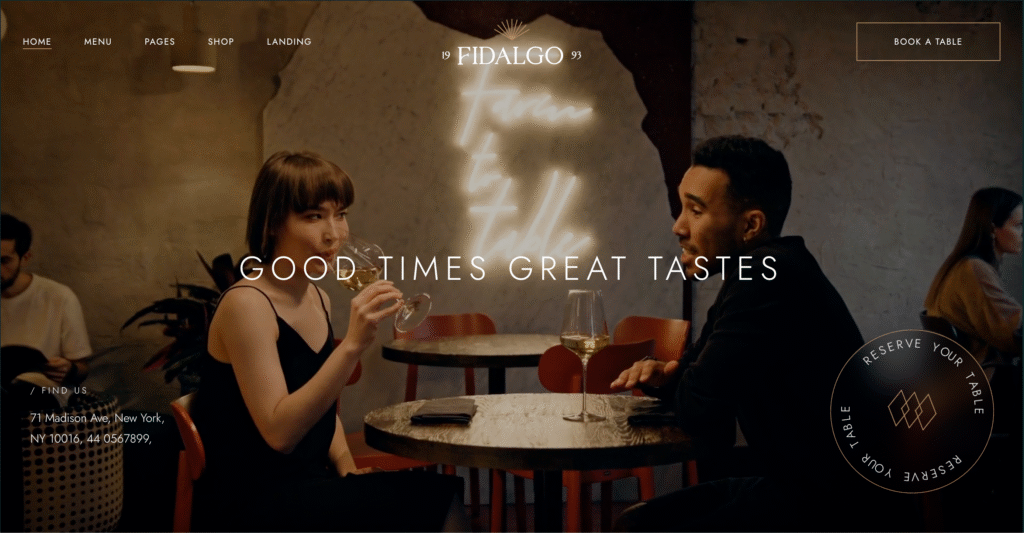
Website Branding in 2026: Why It Matters More Than Just Having a Website
The Shift from Presence to Perception
In the early days of the internet, simply having a website was considered a milestone for any business. It was a symbol of credibility, accessibility, and modernization. Fast forward to 2026, and the landscape has evolved dramatically. Today, a website is no longer a competitive advantage—it is a basic expectation. What truly differentiates successful businesses from the rest is how effectively they leverage website branding in 2026.
Modern users are not just browsing; they are evaluating, comparing, and forming opinions within seconds. A website is no longer just a digital brochure—it is a brand experience. Businesses that fail to understand this shift often struggle to convert visitors into customers, even if their products or services are exceptional.
This article explores why branding has become the cornerstone of website development in 2026 and how businesses can align their digital presence with strong branding strategies to achieve sustainable growth.

Understanding Website Branding in 2026
Website branding in 2026 goes far beyond logos, colors, and typography. While visual identity remains important, branding now encompasses the entire user experience, emotional connection, storytelling, and consistency across every digital touchpoint.
When a user visits a website today, they subconsciously ask several questions. Does this brand feel trustworthy? Is it modern and relevant? Does it understand my needs? Can I connect with it?
Branding answers all of these questions without explicitly stating them.
A well-branded website integrates design, messaging, tone of voice, performance, and usability into a seamless experience. It ensures that every interaction reinforces the brand’s identity and values.
The Evolution of User Behavior
User behavior has undergone a significant transformation over the years. In 2026, attention spans are shorter, expectations are higher, and competition is fiercer than ever.
Users no longer tolerate slow-loading, generic, or poorly designed websites. They expect instant gratification, personalized experiences, and visually engaging interfaces. More importantly, they are drawn to brands that feel authentic and relatable.
This shift means that businesses cannot rely solely on functionality. Even if a website works perfectly, it will fail if it does not resonate emotionally with the audience.
Website branding in 2026 plays a crucial role in capturing attention, building trust, and encouraging engagement within the first few seconds of a visit.
Why Having a Website Alone Is Not Enough
Many businesses still operate under the assumption that launching a website is enough to establish an online presence. While this may have worked a decade ago, it is no longer effective in today’s competitive environment.
A generic website without branding often suffers from several issues. It lacks identity, making it forgettable. It fails to communicate value clearly, leading to confusion. It does not build trust, which reduces conversions.
Imagine two websites offering the same service. One is a template-based design with minimal customization, while the other is a thoughtfully branded platform with a clear message, engaging visuals, and a consistent tone. Users are far more likely to trust and choose the latter.
This is the power of branding. It transforms a simple website into a compelling digital experience.
The Role of First Impressions
In 2026, first impressions are formed within milliseconds. Studies have shown that users decide whether to stay or leave a website almost instantly. This decision is heavily influenced by design, layout, and overall branding.
A strong first impression creates curiosity and encourages users to explore further. It communicates professionalism and credibility, making users feel confident in engaging with the brand.
On the other hand, a poorly branded website can drive users away before they even read the content. It creates doubt and reduces the perceived value of the business.
Website branding in 2026 ensures that the first impression is not only positive but also memorable.
Building Trust Through Branding
Trust is one of the most important factors in online decision-making. With countless options available, users prefer brands they can trust.
Branding plays a vital role in establishing this trust. Consistent design, clear messaging, and authentic storytelling create a sense of reliability. When users see a cohesive brand identity, they feel more confident in the business.
Inconsistent or generic websites, on the other hand, often appear unprofessional or unreliable. This can lead to hesitation and lost opportunities.
In 2026, trust is not built through claims alone. It is built through experience. Every element of a website contributes to this experience, making branding an essential component of trust-building.
Emotional Connection and Brand Recall
One of the most powerful aspects of branding is its ability to create emotional connections. People are more likely to remember and engage with brands that evoke emotions.
Website branding in 2026 focuses on storytelling, visuals, and tone to create meaningful connections with users. It goes beyond selling products or services and aims to build relationships.
When users feel connected to a brand, they are more likely to return, recommend it to others, and become loyal customers.
Brand recall is another important factor. A strong brand ensures that users remember the business even after leaving the website. This increases the chances of future engagement and conversions.
Differentiation in a Saturated Market
The digital marketplace is more crowded than ever. Almost every industry is saturated with competitors offering similar products or services.
In such an environment, differentiation becomes crucial. Branding is the key to standing out.
A well-branded website communicates what makes a business unique. It highlights its values, personality, and approach. This helps users understand why they should choose one brand over another.
Without branding, businesses risk blending into the background. They become just another option in a sea of choices.
Website branding in 2026 enables businesses to carve out a distinct identity and attract the right audience.
The Impact on Conversion Rates
Branding has a direct impact on conversion rates. A well-branded website not only attracts visitors but also persuades them to take action.
Clear messaging, intuitive design, and consistent visuals guide users through the journey. They make it easier for users to understand the value and make decisions.
On the other hand, a poorly branded website creates friction. It confuses users and reduces confidence, leading to lower conversions.
In 2026, businesses cannot afford to ignore this aspect. Investing in branding is not just about aesthetics; it is about improving performance and achieving business goals.
SEO and Branding: A Powerful Combination
Search engine optimization and branding are often seen as separate strategies, but they are closely interconnected.
A well-branded website enhances user experience, which is a key factor in SEO. When users spend more time on a website, engage with content, and navigate easily, search engines recognize it as valuable.
Branding also influences click-through rates. A recognizable and trustworthy brand is more likely to attract clicks from search results.
In addition, branded content tends to perform better. Users are more likely to share and engage with content from brands they trust.
Website branding in 2026 complements SEO efforts and amplifies their impact.
The Role of Mobile and User Experience
With the majority of users accessing websites through mobile devices, user experience has become more important than ever.
Branding plays a significant role in creating a seamless and enjoyable mobile experience. Responsive design, intuitive navigation, and fast loading times contribute to a positive perception of the brand.
A well-branded mobile experience ensures consistency across devices. It reinforces the brand identity and enhances user satisfaction.
In contrast, a poorly optimized website can damage the brand’s reputation and drive users away.
Personalization and Modern Branding
Personalization has become a key trend in digital marketing. Users expect experiences tailored to their preferences and behavior.
Website branding in 2026 incorporates personalization to create more relevant and engaging interactions. This includes dynamic content, customized recommendations, and personalized messaging.
When users feel understood and valued, they are more likely to engage with the brand. This strengthens the relationship and increases loyalty.
The Influence of Social Media Integration
In today’s interconnected world, a website does not exist in isolation. It is part of a larger digital ecosystem that includes social media, email marketing, and other channels.
Branding ensures consistency across all these platforms. When users move from social media to a website, they expect a seamless experience.
A consistent brand identity reinforces recognition and trust. It creates a cohesive journey that enhances the overall experience.
Website branding in 2026 aligns all digital touchpoints to create a unified presence.
Long-Term Business Growth
Branding is not just a short-term strategy; it is an investment in long-term growth.
A strong brand builds loyalty, encourages repeat business, and attracts new customers through word-of-mouth. It creates a foundation for sustainable success.
Businesses that focus on branding are better positioned to adapt to changes and stay relevant in a dynamic market.
In 2026, where competition is intense and user expectations are high, branding is a critical factor in achieving long-term growth.
Common Mistakes Businesses Make
Despite the importance of branding, many businesses make common mistakes when developing their websites.
Some rely heavily on templates without customization, resulting in generic designs. Others focus only on visuals and neglect messaging and user experience. Inconsistency across pages and platforms is another common issue.
These mistakes can undermine the effectiveness of a website and limit its potential.
Understanding and avoiding these pitfalls is essential for successful website branding in 2026.
How to Approach Website Branding in 2026
To create a strong branded website, businesses need a strategic approach.
It begins with defining the brand identity, including values, mission, and target audience. This forms the foundation for all branding efforts.
Design and content should align with this identity. Every element, from colors to language, should reflect the brand’s personality.
User experience should be a priority. The website should be easy to navigate, fast, and engaging.
Consistency is key. Branding should be uniform across all pages and platforms.
Finally, businesses should continuously analyze and improve their websites based on user feedback and performance data.
The Future of Website Branding
As technology continues to evolve, website branding will become even more dynamic and interactive.
Artificial intelligence, augmented reality, and immersive experiences are expected to play a larger role in shaping digital interactions. These technologies will provide new opportunities for branding and engagement.
However, the core principles of branding will remain the same. Authenticity, consistency, and user-centric design will continue to be essential.
Businesses that embrace these principles and adapt to new trends will thrive in the future.
Conclusion: Branding Is the Real Game-Changer
In 2026, having a website is no longer enough. It is the quality of the experience and the strength of the brand that determine success.
Website branding in 2026 is about creating meaningful connections, building trust, and standing out in a crowded market. It transforms a simple website into a powerful business tool.
Businesses that invest in branding gain a competitive edge. They attract the right audience, improve conversions, and achieve long-term growth.
The question is no longer whether you need a website. The real question is whether your website truly represents your brand.
Because in today’s digital world, perception is everything—and branding is what shapes that perception.